Introduction: The Dual Challenge of Home Ownership
Owning a home is often heralded as the cornerstone of the American Dream and a primary vehicle for building intergenerational wealth, yet the reality of maintaining and modernizing a property presents a continuous, often overwhelming, financial and logistical challenge that extends far beyond the initial mortgage payment.
Unlike renting, where maintenance is outsourced, home ownership demands an active, costly commitment to preservation and improvement, requiring significant capital outlays to upgrade aging infrastructure, repair unexpected damages, and integrate contemporary features that align with evolving lifestyle expectations.
In today’s market, simply maintaining a home is insufficient; to maximize its eventual resale value and enhance the daily quality of life, homeowners are increasingly motivated to undertake strategic renovations, focusing on high-return projects that add demonstrable utility, energy efficiency, and modern appeal, transforming a basic dwelling into a true smart home.
However, funding these ambitious projects—which can range from simple kitchen refreshes to complete energy system overhauls—rarely comes from readily available cash reserves, prompting homeowners to carefully explore the complex landscape of financing options to bridge the gap between their renovation vision and their current liquid capital.
This exploration requires a sophisticated understanding of how different loan products work, their associated risks, and, most importantly, how to select a financing vehicle that not only covers the cost of the smart upgrades but also ensures the investment yields maximum, quantifiable return, safeguarding the long-term financial health of the household.
Pillar 1: Defining the “Smart” Renovation
A smart renovation is not just about aesthetics; it is a strategic investment focused on maximizing long-term home value through efficiency, technology, and foundational improvements.
A. High-Return Foundational Projects
Certain renovation projects consistently deliver the highest return on investment (ROI) at the time of sale, making them ideal targets for loan financing.
- Kitchen and Bathroom Upgrades: These areas remain the most impactful in terms of perceived value and utility for prospective buyers. Modernizing fixtures, replacing outdated cabinetry, and integrating efficient plumbing are key.
- Exterior Curb Appeal: Projects like replacing an old roof, updating siding, or installing a new garage door not only offer immediate aesthetic improvement but also provide crucial protection and demonstrate structural integrity to buyers.
- Mechanical System Overhauls: Investing in a new, high-efficiency HVAC system, tankless water heater, or updated electrical panel significantly reduces long-term operational costs, which is a major selling point.
B. Integrating Smart Technology
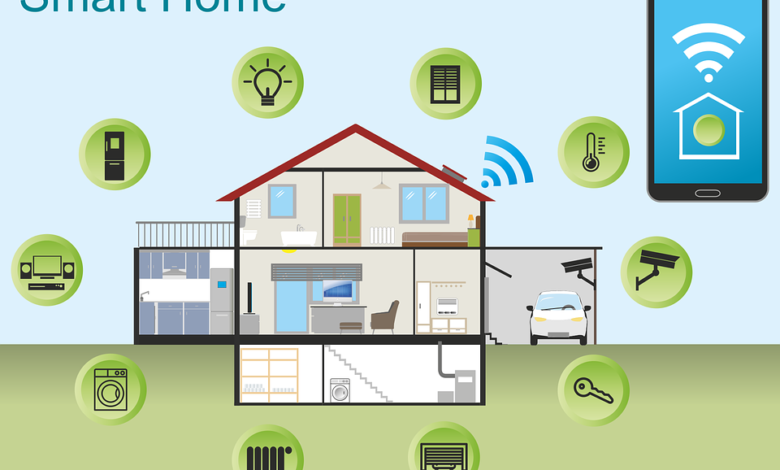
Modern renovations increasingly include technology that enhances security, efficiency, and convenience, defining a truly “smart” living space.
- Energy Efficiency: This includes installing smart thermostats (like Nest or Ecobee), smart lighting systems, and solar panels. These reduce utility bills and appeal strongly to environmentally conscious buyers.
- Security and Automation: Integrating smart doorbells, security cameras, smart locks, and a centralized hub for home automation elevates the home’s security profile and offers coveted modern convenience.
- Infrastructure Upgrades: Ensuring the home has robust fiber optic or high-speed data cabling and mesh Wi-Fi systems is essential for supporting the large number of connected devices that define a smart household.
C. The Financial Goal of Renovating
The goal of leveraging a loan for a smart renovation is to ensure the borrowed capital increases the home’s market value by an amount that exceeds the total cost of the loan (principal plus interest).
- Appreciation vs. Depreciation: Money should be directed toward improvements that are likely to appreciate in value (like a new kitchen) rather than items that may quickly depreciate (like overly customized decor).
- Borrowing Against Equity: The most favorable loans often leverage the existing equity in the home, allowing the homeowner to borrow at much lower rates than unsecured debt due to the property acting as collateral.
- Loan-to-Value (LTV) Ratio: Lenders will scrutinize the Loan-to-Value (LTV) ratio both before and after the renovation. A lower LTV ratio signifies less risk and typically results in better loan terms for the borrower.
Pillar 2: Understanding Home Equity Financing Options
For substantial, high-value renovations, financing options that leverage the home’s existing equity are typically the most cost-effective choices due to lower interest rates and tax advantages.
A. Home Equity Line of Credit (HELOC)
A HELOC functions much like a credit card, allowing the borrower flexible access to funds up to an approved limit over a specific draw period.
- Revolving Access: A HELOC provides revolving access to capital, meaning the borrower can draw funds as needed over a defined period (e.g., 10 years) and only pays interest on the amount actually borrowed, not the entire approved line.
- Variable Interest Rate: HELOCs typically have a variable interest rate that fluctuates with a market index (like the Prime Rate). This means initial payments can be low, but they carry the risk of increasing significantly over time if interest rates rise.
- Ideal for Phased Projects: This flexibility makes HELOCs ideal for large, long-term renovation projects that are completed in phases, allowing the homeowner to manage costs as contractors complete milestones without drawing the full loan amount upfront.
B. Home Equity Loan (Second Mortgage)
A Home Equity Loan provides a lump sum of money upfront and is structured as a fixed-rate installment loan.
- Lump Sum Disbursement: The borrower receives the entire approved amount as a single lump sum at closing. This is perfect for single, large projects with known, fixed costs (like an immediate roof replacement or a single room addition).
- Fixed Interest Rate: The primary advantage is the fixed interest rate and fixed repayment schedule. The monthly payment remains constant for the life of the loan, eliminating the risk associated with rising market rates.
- Predictable Budgeting: The fixed nature of the loan ensures predictable budgeting and guaranteed repayment timelines, which can be crucial for homeowners who value financial certainty over the long term.
C. Cash-Out Refinance
This option involves replacing the existing mortgage with a larger one, taking the difference as cash to fund the renovation.
- Replacing the Old Mortgage: A cash-out refinance pays off the existing mortgage entirely and replaces it with a brand-new, larger mortgage that resets the loan term (e.g., back to 30 years).
- Lowest Available Rates: Since the interest rate is applied to the full mortgage balance and the term is longer, the rate is often the lowest of all equity-based financing options, making it attractive for very large projects.
- Drawbacks of Term Reset: The significant drawback is resetting the repayment clock. This means the borrower starts paying interest again from year one, potentially increasing the total lifetime interest cost compared to sticking with the existing mortgage.
Pillar 3: Alternative Unsecured Financing Options

For smaller, more cosmetic renovations, or for homeowners with limited existing equity, unsecured financing provides quick access to funds without placing the home at risk.
A. Unsecured Personal Loans
An unsecured personal loan is based solely on the borrower’s creditworthiness and requires no collateral, making it a low-risk option for the borrower.
- No Collateral Required: Because the loan is unsecured, the borrower’s home is not placed at risk. If the borrower defaults, the lender cannot automatically seize the property.
- Speed and Simplicity: Personal loans typically have a faster approval and funding process than equity-based loans, often delivering funds within a week, which is ideal for urgent, minor repairs.
- Higher Interest Rates: The drawback is the higher interest rate compared to equity loans. Lenders charge more to compensate for the absence of collateral, so these should be reserved for projects under $20,000.
B. Credit Cards (for Very Small Projects)
While not ideal for major renovations, using a credit card can be a viable short-term option for very small, immediate purchases related to a project.
- Rewards Potential: Using a rewards credit card can provide cash back or points on renovation supply purchases, offering a small fringe benefit if the balance is paid off immediately.
- High-Interest Risk: Credit cards carry the highest interest rates and should only be used if the borrower can pay off the entire balance within the current billing cycle to avoid accruing compounding debt.
- Promotional Periods: Some credit cards offer $0\%$ introductory APRs on new purchases, which can provide a short, interest-free window (e.g., 6 to 12 months) for small, contained projects.
C. Contractor and Retail Financing
Many retailers (e.g., home improvement stores) and contractors offer specialized financing for their goods and services.
- Point-of-Sale Convenience: This financing is conveniently arranged at the point of sale or service, simplifying the acquisition of large appliances, windows, or cabinets.
- Deferred Interest Traps: Often, these offers involve “deferred interest,” meaning no interest is charged if the balance is paid in full by the deadline. However, if even a dollar remains unpaid, interest can be retroactively applied to the entire original purchase amount.
- Single-Purpose Use: The financing is restricted to purchases from that specific vendor, making it unsuitable for comprehensive, multi-vendor renovation projects.
Pillar 4: The Strategic Planning and Due Diligence
Regardless of the financing chosen, the success of the smart renovation hinges on meticulous financial planning and a thorough vetting process.
A. Calculating the Maximum Loan Amount
Borrowers must determine how much they can borrow versus how much they should borrow, ensuring the debt remains manageable.
- The 80% LTV Rule: Most lenders cap the total debt (existing mortgage plus new loan) at 80% of the home’s appraised value. This 20% equity cushion protects both the borrower and the lender from minor market dips.
- The DTI (Debt-to-Income) Check: The new loan payment must fit comfortably within the borrower’s Debt-to-Income (DTI) ratio. Lenders typically prefer DTI ratios below $43\%$, ensuring the borrower can comfortably afford the new monthly payment.
- Project Contingency Fund: Always budget for a contingency fund of $10\%$ to $20\%$ of the total project cost. Loan amounts should factor this in, as renovation costs frequently overrun initial estimates.
B. Vetting Contractors and Managing Budgets
The contractor is the key executor of the renovation plan; choosing poorly can lead to financial disaster.
- Multiple Bids and Vetting: Obtain at least three detailed bids from different, reputable contractors. Verify their licenses, insurance, and read recent, independent customer reviews.
- Detailed Contract: Ensure the contract is highly detailed, specifying materials, labor costs, payment schedules (tied to milestones), and a firm completion date to prevent budget creep and timeline slippage.
- Draw Schedule Alignment: If using a construction-specific loan or a HELOC, ensure the contractor’s payment draw schedule aligns perfectly with the lender’s disbursement schedule to maintain cash flow throughout the project.
C. Understanding Tax Implications
The interest paid on certain renovation loans may offer significant tax advantages, reducing the overall net cost of borrowing.
- Home Improvement Interest Deduction: Interest paid on a Home Equity Loan, HELOC, or Cash-Out Refinance may be tax-deductible if the loan proceeds are used specifically to buy, build, or substantially improve the home that secures the loan.
- Consult a Tax Professional: Borrowers should consult a qualified tax advisor before taking out any equity-based loan to fully understand the current IRS rules, as tax laws frequently change and the deduction has specific limitations.
- Keeping Records: Maintain meticulous records of all loan disbursements and project expenses, ensuring every dollar borrowed for the renovation is documented to support any future tax deductions claimed.
Pillar 5: Long-Term Financial Impact and Strategy
A smart renovation loan is a long-term financial tool that requires a strategy extending beyond the project’s completion, ensuring the investment pays off.
A. Monitoring Home Value Appreciation
The ultimate measure of success is whether the renovation loan successfully added value to the property and the homeowner’s net worth.
- Post-Renovation Appraisal: Consider obtaining a post-renovation appraisal. This provides objective documentation of the new, higher value of the home, which is vital for calculating a lower LTV ratio and for future financial decisions.
- Annual Market Assessment: Annually track comparable sales in the neighborhood to understand how the home’s value is trending relative to the debt still outstanding on the renovation loan.
- ROI Tracking: Keep a running tally of the Return on Investment (ROI) by comparing the total cost of the project (including interest) against the documented increase in home value.
B. Avoiding Future Debt Traps
Successfully paying off the renovation loan requires a renewed commitment to fiscal discipline and responsible credit usage.
- Refrain from Revolving Debt: Once the renovation loan is secured, the borrower should make a strong commitment to avoid running up balances on credit cards for discretionary purchases, ensuring cash flow is dedicated to the loan repayment.
- Accelerated Repayment Strategy: If the loan does not impose a prepayment penalty, adopt an accelerated repayment strategy (e.g., paying an extra principal amount each month). Paying the loan off early saves a significant amount in interest charges.
- Re-Evaluate HELOC Draws: If a HELOC was used, the homeowner must be extremely cautious about taking future draws during the repayment period, as this can extend the debt cycle indefinitely.
C. Integrating Smart Home Savings
The energy and security features installed during the renovation must translate into real, measurable monthly savings to justify the borrowed capital.
- Utility Bill Tracking: Meticulously track and compare pre- and post-renovation utility bills. The savings generated by the new HVAC system or solar panels should demonstrably help offset the new loan payment.
- Insurance Premium Review: In some cases, installing new roofs, advanced security systems, or smart water leak detectors can lead to a reduction in homeowner’s insurance premiums, providing an additional financial return.
- System Maintenance: Commit to regular maintenance of the new smart systems (e.g., cleaning solar panels, servicing the high-efficiency furnace). Neglecting maintenance compromises efficiency, reducing the investment’s return.
Conclusion: Strategic Borrowing for Net Worth

A smart home renovation loan is a powerful tool designed to leverage present debt to facilitate a future, substantial increase in home equity.
The most effective loans utilize the home’s existing equity, providing lower interest rates and often granting tax deductibility on the interest paid.
The choice between a HELOC and a Home Equity Loan depends entirely on whether the project requires flexible, revolving access or a single, predictable lump sum.
Unsecured personal loans provide speed and no collateral risk but come with significantly higher, less favorable interest rates.
Success demands meticulous financial planning, including adherence to the 80% LTV rule and maintenance of a healthy Debt-to-Income ratio.
It is absolutely crucial to vet contractors thoroughly and establish a detailed, binding contract with clear, milestone-based payment schedules.
The ultimate financial measure is ensuring the home’s appreciation exceeds the total cost of the loan, including all associated interest and fees.
The long-term strategy involves avoiding renewed revolving debt and actively seeking ways to accelerate the repayment of the renovation loan principal.
Integrating smart, energy-efficient upgrades directly contributes to measurable monthly utility savings, further justifying the initial capital investment.
Through strategic borrowing and disciplined execution, a renovation loan transforms a house into a higher-value, future-ready, and smarter asset.